
Keiro no Hi
Respect for the Aged Day in Japan
Keiro no Hi is a Japanese public holiday held every year on the 3rd Monday of September. Dedicated to the elderly, it gives Japanese people an extended weekend that, in some years, combines with Shubun no Hi to form a short holiday period known as Silver Week.
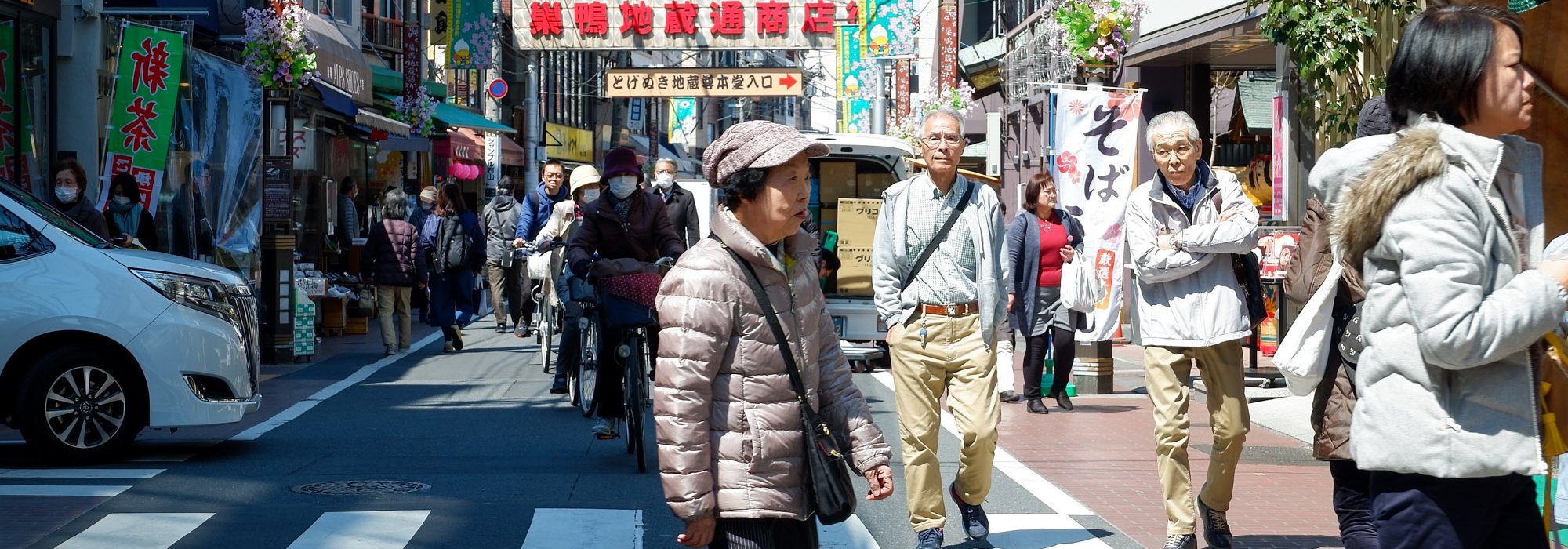
Keiro no Hi means "Respect for the Aged Day" and takes place on the 3rd Monday of September each year. It honors seniors aged 65 and older, who currently make up around 30% of the archipelago's population, making Japan the country with the largest elderly population in the world.
The Origins of Keiro no Hi
The tradition of honoring elderly people began locally in a small village in Hyogo Prefecture in 1947, initially concerning residents over the age of 55. It then spread nationwide starting in 1966, when the date was set as September 15 and the holiday officially became known as Keiro no Hi. This holiday was established to "pay tribute to the elders who built society and to celebrate their longevity."
In 2001, a reform of the public holiday law introduced the "Happy Monday" system and moved Respect for the Aged Day to the 3rd Monday of September, giving Japanese workers more days off. The system took effect starting in 2003.
Note that Keiro no Hi is preceded by Choyo no Sekku, also known in Japan as Kiku Matsuri, a traditional East Asian festival dedicated to the chrysanthemum (a symbol of longevity) and, indirectly, to the elderly.

How Keiro no Hi Is Celebrated
Keiro no Hi gives Japanese people a 3-day weekend. Many take the opportunity to travel, whether to popular tourist destinations or to visit elderly relatives. Depending on the year, this long weekend can turn into a short vacation period called Silver Week, thanks to an additional day off connecting with September's other public holiday: Shubun no Hi, the autumn 🍁 equinox day.

The upcoming Keiro no Hi holidays will fall on:
- 2026: Monday, September 21, which also marks the start of Silver Week 2026;
- 2027: Monday, September 20;
- 2028: Monday, September 18;
- 2029: Monday, September 17
- 2030: Monday, September 16, (and the 1rst weekend of 2 long week-ends in a row), and so on.
Local events are organized by municipalities, for example, putting the spotlight on residents aged 70 and older.
Centenarians receive special attention: the Japanese government presents each of them with a sake 🍶 cup. While the cup was made of pure silver back in 1963, when the custom began and Japan had "only" 153 centenarians, rising life expectancy has since led to a reduction in the gift's value—today's cup is made of an alloy and simply silver-plated. Centenarians now number more than 95,000 as of 2024, and Japan is home to nearly 600 supercentenarians—people aged 110 or older.

Of the 50 oldest living people in the world today, 15 are Japanese, and 14 Japanese individuals have held the title of world's oldest living person since 1948.
In Japan and around the world, the Okinawa archipelago holds the record for longevity, attributed to its distinctive diet and to the concept of ikigai, or "reason for being."
For anyone looking to give a longevity or good-health gift to an elderly loved one, the Sugamo neighborhood, north of Tokyo, is well worth exploring—it's also nicknamed "Granny’s Harajuku."