
Aoyagi Samurai Manor Museum
The Historical Village of Kakunodate
Aoyagi Samurai Manor Museum is an open-air museum located in Kakunodate, a former castle-town in Semboku in Akita prefecture. Its preserved buildings have been converted is exhibition rooms themed on the feudal era. A garden planted with cherry trees embellishes this high-ranking samurai residence.
The Aoyagi Samurai Manor Museum is an authentic warrior family house, called bukeyashiki in Japanese (武家屋敷 or ぶけやしき). Built during the Edo period (1603 – 1868), it is spreading over 10,000sqm enclosed by a dark wood fence. The size of the estate and of its main gate (the impressive Yakui Mon gate built in 1860) are testimony of the importance in status of the Aoyagis.
The family indeed originated from the former Hitachi province (current Ibaraki prefecture in the east) and settled in Kakunodate in 1602, following its daimyo lord after his domain was transferred there by Tokugawa Ieyasu. The Aoyagis were in charge of monitoring the borders between provinces (nowadays Akita and Iwate prefectures) and their influence grew during the Edo period.

A glimpse on the samurai lifestyle
The property is home to various legacy items dispatched in the old buildings that were part of the Aoyagi estate.
The Main House stands right behind the gate. It was inhabited by the descendants of the Aoyagis until 1985, and it is one of the oldest houses of its type in Japan. Topped with a thatched roof, it has a classical wooden structure with reception rooms covered with tatamis. It is surrounded by an engawa veranda from which one can admire the garden.
Several pavilions were converted into a family museum, some are worth mentioning, such as:
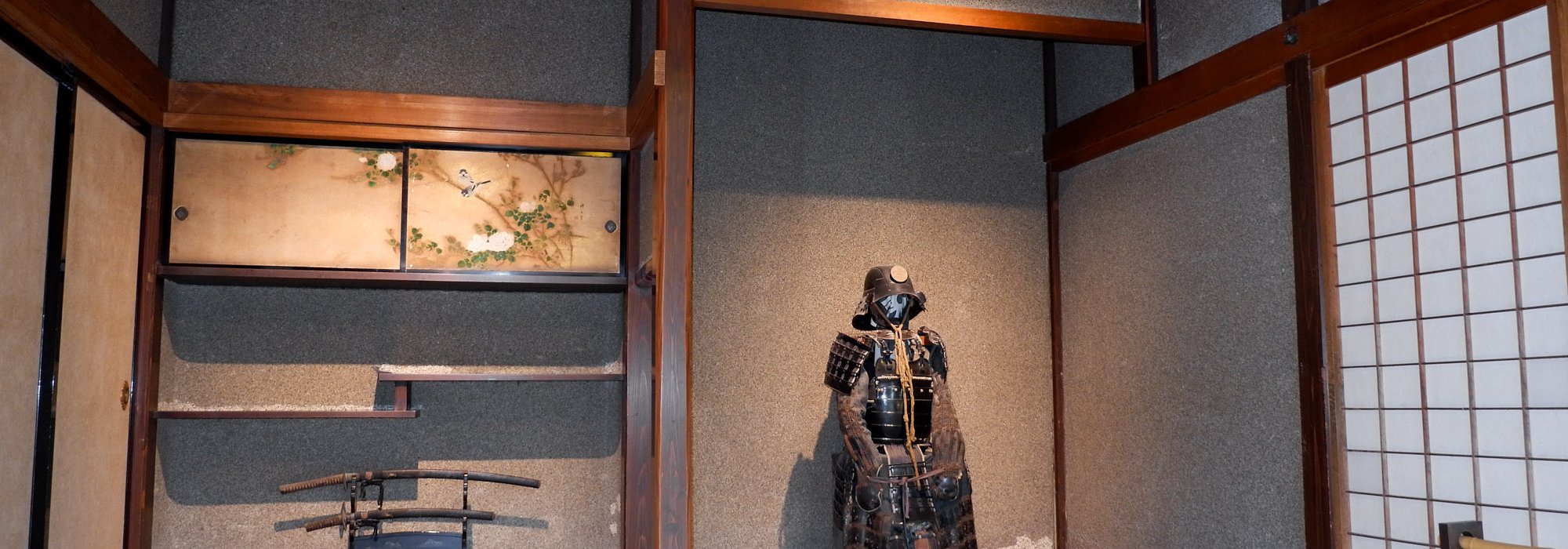
- The Armory, just next to the Main House, displays among other things a beautiful collection of armors and warrior’s equipment dating back to the end of the 16th century to the end of the 19th century;
- The Samurai Tools and Utensils Museum shows objects used in the daily life of a warrior family during the Edo period;
- The Akita Folk Museum is a farmer’s house with a thatched roof typical of the area, that was moved here from an Akita village that doesn’t exist anymore. Woodworking workshops are also hosted in this museum as well as an exhibition related to the wars into which the Japanese Empire has been involved since the Meiji Era (1868 - 1912).
The Haikara Antique Museum shows the taste of the Aoyagis for Western objects, with an impressive collection of gramophones and old cameras 📷.

A space dedicated to culture and heritage
A small garden is stretching behind the Main House and is surrounding a pond. A particular care is given to seasonal flowers and especially to a unique weeping cherry tree: the Aoyagi Yae Beni Shidare Zakura that is supposedly found only in this garden.
A part of the enclosure is dedicated to Odano Naotake (1750 – 1780), a samurai and a painter, who illustrated the Kaitai Shinsho ("New text on Anatomy"), a ground-breaking book for the Japanese medicine and arts of its times. Naotake was related to the Aoyagis and his family home is still standing in the neighborhood.
Several shops are selling Akita traditional objects, such as kabazaiku cherry wood items, that make nice and authentic souvenirs to bring back home. Demonstrations of local craftsmanship are also frequently staged, as well as experiences of wearing a samurai armor (upon reservation). A coffee shop and a udon noodle restaurant pleasantly complete the visit.
The Aoyagi Samurai Manor Museum is a must-see destination for all visitors passionate about the history of Japan, and especially of the feudal period. Its garden and the whole neighborhood are part of a beautiful weeping sakura 🌸 viewing spot in spring.