
Showa no Hi
The Birth Date of Emperor Showa
Showa no Hi is a Japanese holiday taking place on April 29 every year. This fixed date had several meanings since its introduction and is now a time of reflection on the reign of emperor Showa. For Japanese people however, it is mainly the start of the very popular Golden Week spring vacation in Japan.
Showa no Hi is a holiday holding a quite complex history that takes place every April 29. Since 2007, it officially commemorates the Showa era (1926 – 1989), to "reflect on the future of the country, taking into account the Showa period, that went from troubled days to reconstruction" (激動の日々を経て、復興を遂げた昭和の時代を顧み、国の将来に思いをいたす, Gekidô no hibi wo hete, fukkô wo togeta Shôwa no jidai wo kaerimi, kuni no shôrai ni omoi wo itasu.")
Origins of April 29’s holiday
The date of April 29 has actually been a holiday since 1927 as it is the birth date of emperor Hirohito (1901 – 1989). His 62 years-long reign is known as the Showa era and is the longest reign of an emperor in Japan’s history.
After the passing of emperor Taisho (1926, December 25), the tradition of celebrating the reigning emperor’s birthday with a holiday continued with his successor, whose birthday was April 29. Thus, the celebrating of Tencho setsu took place on April 29 from 1927 to 1947.
In 1948, the birthday of the emperor is renamed Tenno Tanjobi, remains a holiday and is celebrated as such until 1988.
When Hirohito passed away on 1989, January 7, the day of Tenno Tanjobi was moved to December 23, the birth date of his successor Akihito. However, as the tradition of the Golden Week was already well established, the government decided to keep April 29 as a holiday in 1989. It was then renamed Midori no Hi (Greenery Day) and was held under this name until 2006, paying an indirect homage to the late emperor, who was known to love nature and botanic.
Several conservative political parties lobbied for an official tribute to emperor Hirohito, a movement that was taken into account in the Japanese holidays reform applying since 2007 and that renamed April 29 in Showa no Hi. Midori no Hi remains but is now taking place on May 4.
The next dates of Showa no Hi
- In 2026, on Wednesday April 29;
- In 2027, on Thursday April 29;
- In 2028, on Saturday April 29;
- In 2029, on Sunday April 29;
- In 2030, on Monday April 29;
- etc.

The only holiday dedicated to the reign of an emperor
The Showa era is the only historical period highlighted in the Japanese holidays calendar, and Hirohito the only deceased emperor to still be celebrated.
The reasoning behind naming April 29 Showa no Hi mentions the necessity to remember the period as an important time in the history of Japan, with consequences on today’s state of the country: that includes the rise of imperialism in the 1920s, 1945 atomic bombings, and the unprecedented economic boom of the 1950-1970s with the installation of a democratic regime after the war.


On a side note, another holiday encompassed several meanings: November 3, now Bunka no Hi (Culture Day), that used to celebrate emperor Meiji’s birthday during his reign. From 1927 to 1947, Meiji Setsu became a posthumous celebration. Nowadays, the date is disconnected from modern Japan’s first emperor.
What to do on Showa no Hi
April 29 is the first day of the Golden Week, so the whole country enters a holiday period. Consequently, touristic sites, as well as public transports and roads tend to be quickly overloaded. There is no specific ceremony or event staged on this day.
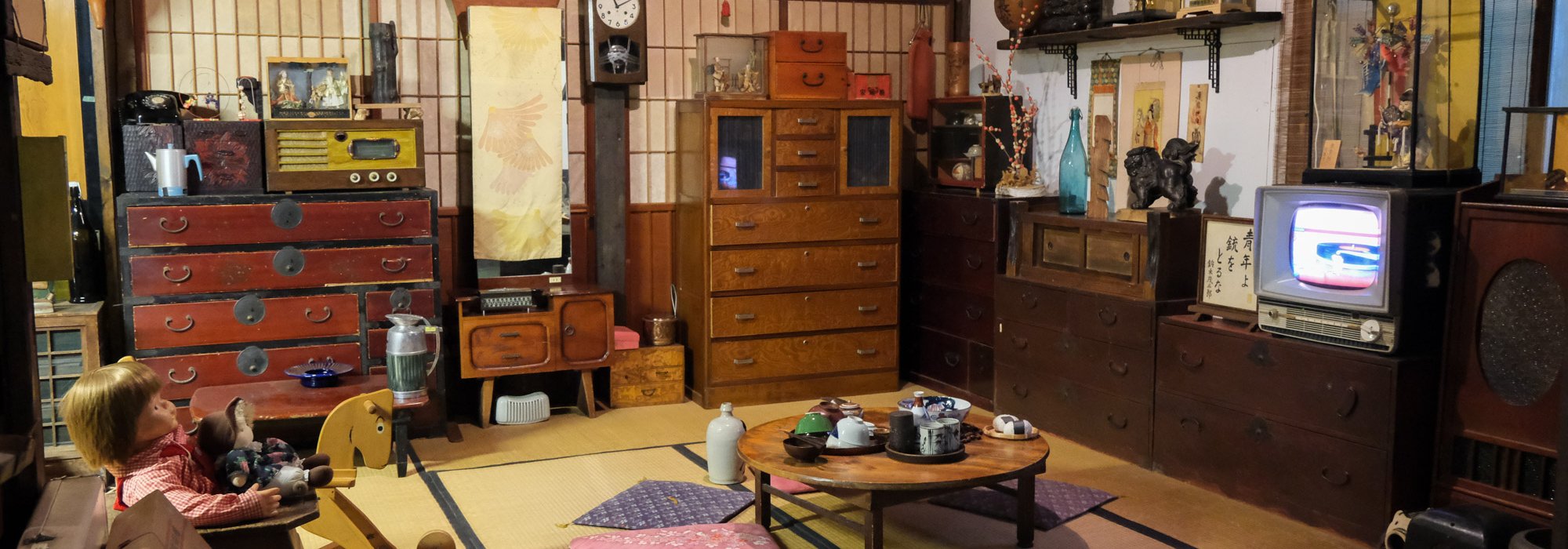
Those who would like to immerse in the Showa era atmosphere can visit one of the many Showa-kan, that is to say museums or galleries dedicated to this historical period, and more specifically to the Japanese economic miracle years (1950-1970s) that the Japanese view with nostalgia as a Golden Age, and a more simple time.