
Shunbun no Hi
🌓 🌸 Spring Equinox Holiday in Japan
Shunbun no Hi is a Japanese holiday taking place every year on March 20 or 21. Its precise date is the result of an astronomical calculation of the spring equinox and is a reliable marker of the beginning of the sakura blossom season.
Shunbun no Hi (春分の日) means "Vernal Equinox Day" and takes place between March 19th and 22nd, on a date that is calculated in the previous year by the National Astronomical Observatory of Japan. This holiday is the counterpart to Shubun no Hi (秋分の日), the autumnal equinox day that usually takes place on September 22nd or 23th.

It is also one of the sekki seasonal periods that break up the year into 24 sections of 10 to 105 days in the traditional calendar Koyomi.

Origins of Shunbun no Hi
Like its fall counterpart, the vernal equinox day is dedicated to the veneration of ancestors and the deceased, since at least the early days of the Heian period (794 – 1185).
Then, it was called Higan no Chunichi (彼岸の中日) and was the middle day of a week of celebrations and sutra chanting. These ceremonies, specific to Japanese Buddhism, highlighted O-Higan (お彼岸), the equinox, which was believed to provide an easier connection between the world of the living and the netherworld due to the equal duration of the daytime and the night-time. Ohigan was also celebrated at the autumn 🍁 equinox.
In the modern times, the Meiji government established a new Shinto rite starting 1878: Koreisai (皇霊祭). The equinox day becomes a nonworking day so as to celebrate past emperors and deceased members of the imperial family. In spring, this day was called Shunki Koreisai and in fall Shuki Koreisai.
At the end of World War II, the spring and autumn Koreisai become secular public holidays. The spring equinox thus becomes Shunbun no Hi starting 1948 and is dedicated to "the appreciation of nature and gratitude to life" (自然をたたえ、生物をいつくしむ, Shizen wo tatae, seibutsu wo itsukushimu).

How to celebrate Shunbun no Hi
Nowadays, Shunbun no Hi is a stand-alone holiday, that can sometimes offer a 3-days weekend when it falls on a Friday or a Monday. It precedes the short spring holidays (usually end of March to early April) that mark the end of the school year in Japan. Also nearing the end of the fiscal year (March 31), it is a time favorable to new beginnings, such as moving house or starting new studies.
The next spring equinox days will take place:
- In 2026, on Friday, March 20;
- In 2027, on Sunday, March 21;
- In 2028, on Monday, March 20;
- In 2029, on Tuesday, March 20; and,
- In 2030, on Wednesday, March 20.
As for fall, the idea of Shunbun no Hi is to give time for family reunion and tending to the ancestors’ graves. However, this custom tends to disappear, all the more as the last third of March is often busy with the preparation of the next school and fiscal year starting in April.
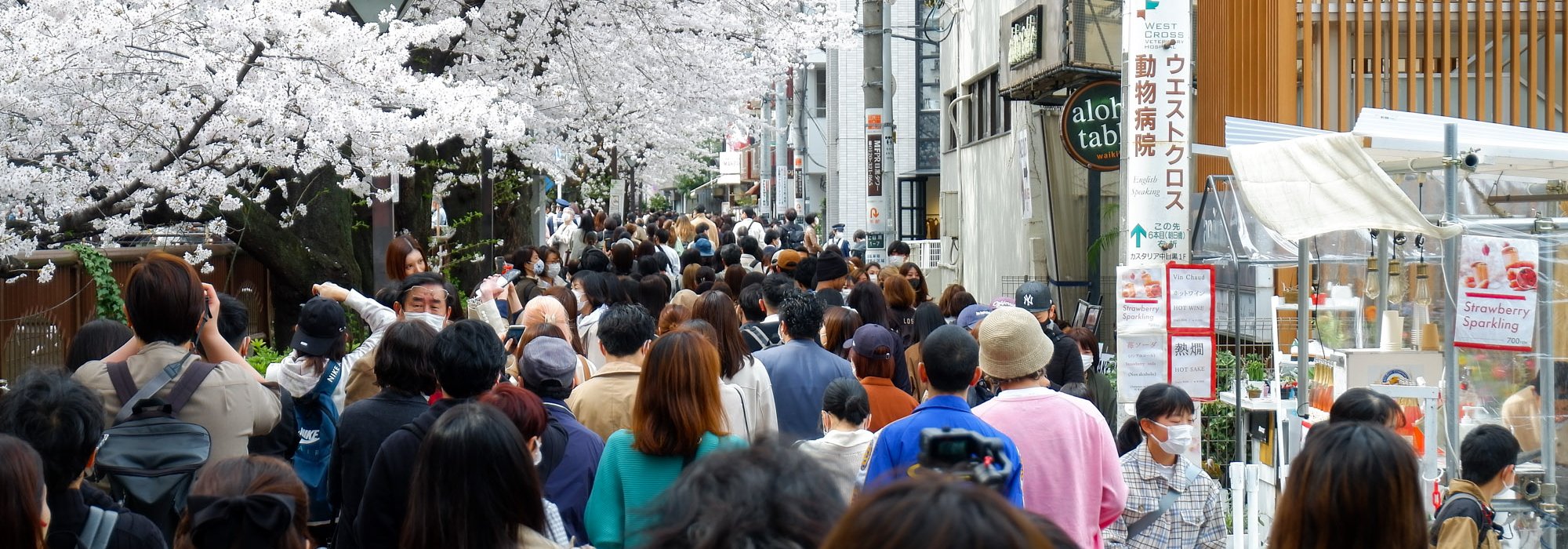
Additionally, spring, that was already celebrated at Setsubun, is becoming more palpable, with the rise of temperatures fostering the iconic flowerings of Japan. For some years now, the day of the spring equinox has indeed often coinciding with the beginning of the sakura 🌸 blossom season.
While the Vernal equinox day is not marked by specific celebrations, it is often the occasion for the first Ohanami blossom watching, and to enjoy seasonal wagashi confectioneries. The botamochi, the spring equivalent to the fall’s ohagi, that can also be offered on the family Buddhist altar; and the sakura mochi, a sweet pink mochi wrapped in a pickled cherry leaf, and prepared either in the Tokyo or Kansai’s style.