
Bunka no Hi
Japan's Culture Day Holiday
Bunka no Hi is a Japanese public holiday that takes place on November 3rd every year. Originally established to celebrate Emperor Meiji's birthday, it's now dedicated to culture, the arts, and intellectual achievement. Some cultural institutions offer free admission for the day, and various culture-related events are held throughout the country.
Bunka no Hi (文化の日) means "Culture Day" and has been celebrated under this name in Japan as a national holiday since 1948.
Origins of the November 3rd Holiday
November 3rd originally marked the birth of Emperor Meiji, and remained a national day of rest throughout his reign, from 1868 to 1912. It reverted to a regular working day until 1927, when the Diet (Japan's parliament) established Meiji-setsu, a new holiday meant to honor Emperor Meiji.
It was in 1948 that November 3rd was officially named "Culture Day" to commemorate the promulgation of Japan's Constitution on November 3, 1946, and to promote the values enshrined in it in order to "advance culture in peace and freedom."
As a side note, some of the more conservative members of Japan's parliament have periodically pushed to rename Bunka no Hi to Meiji no Hi (Meiji Day) since 2012.
Upcoming Dates for Bunka no Hi
Bunka no Hi falls on the same date every year:
- Tuesday, November 3, 2026;
- Wednesday, November 3, 2027;
- Friday, November 3, 2028;
- Saturday, November 3, 2029;
- Sunday, November 3, 2030;
- and so on.

Culture-Related Events in Japan
The main official event of Bunka no Hi is the awarding of the Order of Culture (文化勲章, bunka kunshô). This honor has been bestowed since 1937 by the Emperor on individuals, usually Japanese, in recognition of their contributions to Japanese culture. Recipients have included artists, actors, scientists, musicians, athletes, researchers, and authors. Very few foreigners have received this honor: Donald Keene, an American-born Japanologist who became a naturalized Japanese citizen, and the three members of the Apollo 11 mission (Neil Armstrong, Michael Collins, and Buzz Aldrin).
Bunkasai Season
Early November is a prime time for organizing "culture and education weeks." One of the highlights for students across Japan is Bunkasai, the "culture festival" held by schools over 1 or 2 weekend days close to November 3rd.
This event is part traditional matsuri, with food stalls and small games creating a fairground atmosphere, and part open house, where anyone—parents, alumni, prospective students, or the simply curious—can come admire students' artistic accomplishments. Bunkasai is part of the required curriculum through the end of high school, and depending on the school, visitors might catch musical or theatrical performances, fashion shows, or painting exhibitions.

What to Do for Bunka no Hi
Numerous events are organized locally for November 3rd. One in particular stands out: the daimyo procession in Hakone (箱根大名行列, Hakone daimyô gyôretsu), a parade of Edo-period (1603-1868) costumes along the former Tokaido road. That said, high-altitude destinations like Hakone or Nikko tend to be especially popular with Japanese visitors, who take advantage of the holiday to admire the changing colors of the season.

Free Admission at Certain Museums
In addition, many cultural institutions offer free admission to all visitors on Bunka no Hi:
- Several museums in Tokyo's Ueno Park, including the Tokyo National Museum, the National Museum of Western Art, and the National Museum of Nature and Science, open up their permanent collections;
- The Nara National Museum does the same, though not on November 3rd—instead on November 15th and 16th, for the Kansai region's own "Culture Day."
If November 3rd happens to fall on a museum's regular closing day, it will stay open for Bunka no Hi (but close the following day instead) under the substitute holiday system.

Student Neighborhoods and Mountain Koyo
Bunka no Hi is also a great time to stroll through university neighborhoods, which are often overlooked by mass tourism but just as memorable, such as:
- The campus of Todai University, near the Yanesen district in Tokyo;
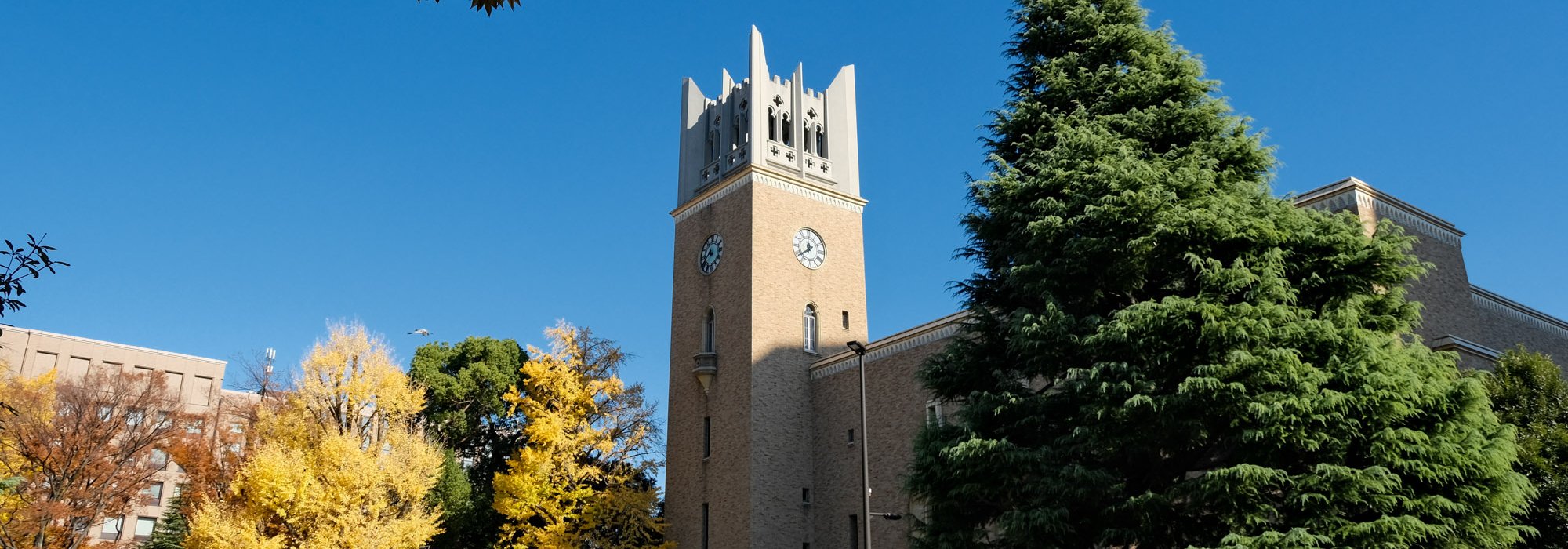
- The Waseda University campus, in Tokyo's Shinjuku ward; or,
- The Ichijoji neighborhood in Kyoto, home to the wonderful Shisen-do and Tanukidani-san Fudo-in.
These spots tend to be less crowded, and are just beginning to show off the golden foliage of ginkgo trees or the fiery red of maple trees. Visitors can even stop for a cheap bowl of ramen 🍜 at a university cafeteria—open to everyone—or have a picnic in one of the public parks while enjoying fall blooms (cosmos, chrysanthemums, or roses 🌹), as at Yamashita Park in Yokohama.
More broadly, November is a great month to travel to Japan and explore its culture, whether by catching a sumo tournament (in Fukuoka), visiting one of the country's many temples and shrines, or making the most of the generally mild weather to go momijigari, or "autumn 🍁 leaf hunting."