
Takemura Kissaten
The Timeless Coffee Shop in Akihabara
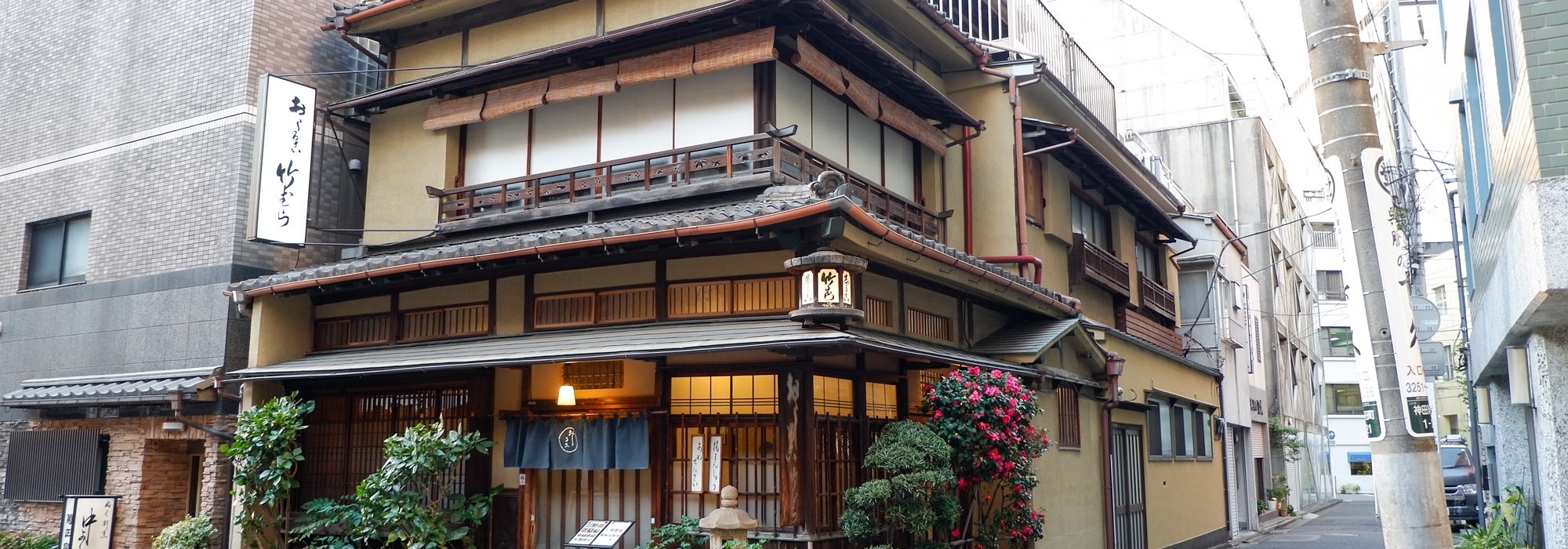
Takemura kissaten is a Japanese-style tearoom located in Kanda-Sudacho district near Akihabara, in Chiyoda ward in the heart of Tokyo. The 1930s’ traditional architecture of the place appears as a haven of peace in the capital, offering its patrons a relaxing break while enjoying seasonal Japanese pastries.
A stone’s throw away from Kanda River and mAAch ecute Kanda Manseibashi, the former train 🚅 station converted into a shopping mall, Takemura kissaten is a nearly 100 years old institution established in the heart of the former plebeian neighborhoods of the Japanese capital. This 3-stories house, with a sloped-roof in the irimoya style, is standing at the angle of a block, like an anachronistic apparition in a rather dull-looking modern neighborhood.
Takemura is a typical Japanese tearoom, a kissaten, which is the ideal place to dive into the Japanese way of life.
What is a kissaten?
A kissaten (喫茶店) is a type of place at the crossroad between a Western-style coffee shop and a Japanese chaya tearoom, that started to develop in the 1920s. Its name literally meaning "a shop to drink tea," it is therefore a quiet place calling for a relaxing time while sipping on a tea or a coffee and snacking on a sweet or a savory dish. Very few serve alcohol, but a lot of them are still smoker-friendly. A kissaten can open early for breakfast and close just before the evening, depending on the habits of the neighborhood it is located in.
In Japan, places like Starbucks, Tully’s Coffee or Doutor Coffee can be considered as kissaten, but they mostly remain brand shops without much character setting them apart. Independent kissaten are far more interesting: none of these small shops is like another and their owners are keen on making them unique, putting emphasis either on a theme, an ambiance or the products they sell. Thus, their decoration creatively draws inspiration from various styles, from the most simple to the richest and even kitsch. Connoisseurs will often find in-house freshly roasted coffee, tea and various specialties of Western-style or Japanese-style pastries. The menu may also include simple light and salty dishes like spaghetti or pizza.

Historical shop Takemura Kissaten
Takemura is one of those independent kissaten, displaying a strong individuality in a typically Japanese setting. Founded in 1930 in the Kanda area to fill the lack of shops serving shiruko (汁粉), a red beans and mochi-based sweet soup, the small wooden house managed to survive the destruction of World War II and escape the appetites of real estate developers. In 2003, the building has been recognized an "important building of Chiyoda ward’s urban landscape" (千代田区景観まちづくり重要物件).
While its outer appearance is a promise of time traveling, stepping inside is like diving 1 century back in a shop divided into 2 parts:
- An elevated area with tatami flooring, where people kneel or sit on the floor at low-rise coffee tables. Openwork wooden panels slide to separate the area from the rest of the room. Customers must take off their shoes to use this space; and,
- A more conventional space with tables and chairs where one can simply take a seat.
The kitchen is in the back, hidden by an earthen wall and noren curtains.

Typically Japanese sweet treats
Sweet indulgences and dishes of the day are displayed in a window case near the cash register. The oshiruko remains a staple, but Takemura has built its reputation with the agemanju, a small rice flour cake, filled with anko and freshly fried upon order.
Takemura kissaten serves typically Japanese sweet snacks that vary according to the seasons, such as the very popular anmitsu (a bowl filled with anko paste, agar-agar gelatin cubes and fruits) in summer and the awazenzai, a kind of mochi made with rice and millet and wrapped in a thick layer of warm anko in winter. Note however that textures and tastes are one of a kind, and may challenge foreign palates more accustomed to very sweet confectioneries.
While the menu is exclusively in Japanese, pictures and illustrations make it easy to understand. The friendly staff, the familial atmosphere and the affordable prices are a great part of the shop’s success, in front of which it is not unusual to wait in line. The patrons, who are mainly Japanese, enjoy a nice throw back to a preserved bubble of the Showa era (1926 - 1989) whose nostalgia is on the rise.
Note that pictures are usually authorized in the tearoom only on your tables’ perimeter.
Takemura kissaten is an authentic place to discover a lesser known but accessible side of the Japanese popular culture, and take a peaceful break when walking around the retro neighborhoods of Ochanomizu, Jimbocho and Akihabara.